

Key Takeaways
- Self-care is less about occasional vacations or treats and more about small habits that consistently support your mental and physical well-being.
- Sleep, healthy routines, encouragement, boundaries, and making time for your own needs can all be forms of self-care.
- Getting off track does not mean you have failed. An important self-care skill is learning to begin again at the next opportunity.
- Therapy can help people identify what is getting in their way and develop skills for boundaries, emotional regulation, relationships, and coping with stress.
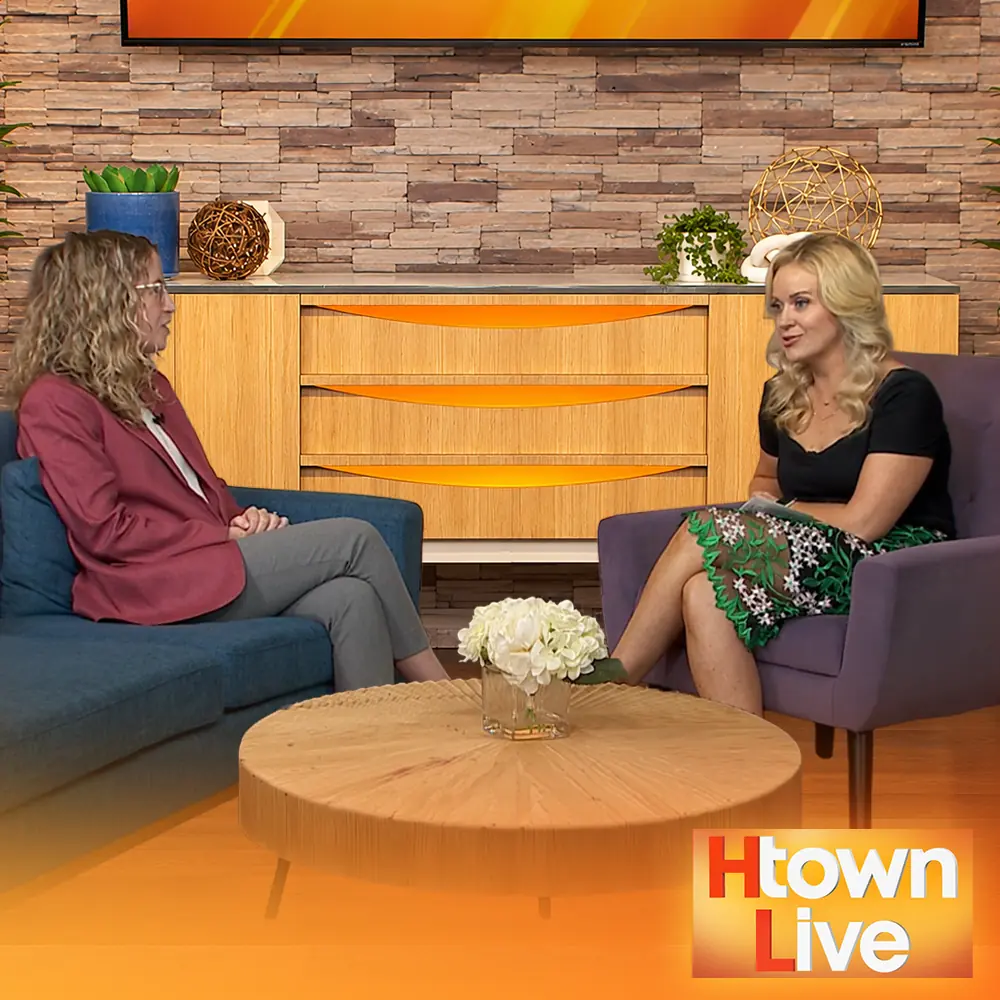
- Dr. Stacey Krauss recently discussed self-care and therapy on Healthy in Houston.
Watch Dr. Stacey Krauss's full Healthy in Houston segment:
Watch the TV segment on Vimeo
Self-care is everywhere.
The phrase is often associated with vacations, spa days, taking time off, or doing something special for yourself. Those things can certainly be enjoyable, but Dr. Stacey Krauss, Psy.D., ABPP, CEO of Transitions Counseling and Consulting, recently offered a much more practical definition during an appearance on Healthy in Houston.
As Dr. Krauss explained, self-care is really a series of small habits and activities that help us stay well.
That makes self-care less about what you occasionally do when you are already exhausted and more about how you take care of yourself on ordinary days.
What Does Self-Care Actually Look Like?
Dr. Krauss offered a useful way to think about it: consider some of the things a caring parent does for a child.
Someone makes sure the child goes to bed at an appropriate time. They encourage them when something is difficult. They try to help them eat well. When routines fall apart, they help the child get back on track.
As adults, the basic needs have not disappeared. The major difference is that we are now responsible for meeting many of them ourselves.
That can be especially difficult when you are balancing work, parenting, relationships, aging family members, finances, school, or other responsibilities. It is easy for taking care of yourself to continually move to the bottom of the list.
Self-care can therefore look surprisingly ordinary:
- Maintaining a reasonably consistent sleep routine
- Eating regularly and taking care of basic physical needs
- Making time for movement or activities that help you reset
- Staying connected with supportive people
- Setting boundaries when your time or energy is stretched too thin
- Paying attention when stress is beginning to affect your mood or daily life
- Returning to healthy routines after getting off track
The objective is not perfection.
One of the Most Important Self-Care Skills Is Starting Again
This was one of the strongest points in Dr. Krauss's television conversation.
When children get off schedule, the adults caring for them usually try again fairly quickly. If bedtime falls apart one night, they return to the routine the next night. If something does not go well today, tomorrow provides another opportunity.
Adults are not always as forgiving with themselves.
A stressful week can become a stressful month. One disruption in a routine can turn into abandoning the routine entirely. We may tell ourselves that we will get back to taking care of ourselves when work slows down, when the family needs less from us, or when life becomes easier.
Sometimes that moment never arrives.
Self-care includes learning how to return to the things that help you without treating every disruption as a failure.
How Can Therapy Help With Self-Care?
Therapy is not simply a place to describe what went wrong during your week.
During the segment, Dr. Krauss explained that a therapist will first spend time understanding what is getting in your way. From there, therapist and client can create a plan for what feeling better would actually look like.
That may include developing practical skills that can be used well beyond the therapy session.
For example, Transitions uses evidence-based approaches that include Dialectical Behavior Therapy, or DBT. DBT includes skills related to managing emotions, tolerating distress, communicating effectively, and navigating relationships.
Rather than reproducing the site's detailed DBT information here, you can learn more from Transitions' dedicated DBT Therapy resource.
Why Are Boundaries Part of Self-Care?
One practical example Dr. Krauss discussed on Healthy in Houston was boundaries.
Sometimes the people who find self-care most difficult are the people who are constantly caring for everyone else. They may love their family, value their relationships, and want to be available to the people around them, while still needing more space for their own needs.
A healthy boundary does not necessarily mean distancing yourself from someone you care about. It can mean being clearer about your capacity, communicating what you need, or recognizing that being available to everyone at all times is not sustainable.
Therapy can create a place to practice these skills and work through the discomfort that sometimes comes with changing established relationship patterns.
Therapy Can Be a Different Kind of Relationship
Dr. Krauss also offered an interesting way to think about the therapeutic relationship.
Most relationships in life involve mutual responsibilities. You think about what your spouse needs, how your children are feeling, whether your friend is okay, or what your colleague expects from you.
Therapy is different.
The therapy hour is specifically focused on helping you. You do not need to take care of your therapist, manage their reaction, or make sure they are having a good day.
For people who spend much of their lives caring for others, simply having a space structured around their own well-being can itself be meaningful.
Learn more about what happens in Individual Counseling & Therapy at Transitions.
When Might Self-Care Not Be Enough on Its Own?
Healthy routines can support mental well-being, but there are times when additional help may be appropriate.
During the television interview, Dr. Krauss specifically encouraged people to consider professional support when they have been feeling persistently sad or worried and it is not improving.
Other signs may include stress or emotions beginning to interfere with sleep, relationships, work, school, family responsibilities, or the ability to enjoy normal activities.
You do not need to wait until life has reached a breaking point before talking with a mental health professional.
Therapy can help with the immediate problem while also teaching skills that remain useful after treatment ends. That long-term skill building is one reason Dr. Krauss described therapy as offering benefits both for how you feel now and for how you navigate challenges in the future.
Frequently Asked Questions About Self-Care and Therapy
What is self-care?
Self-care refers to habits and behaviors that support your ongoing physical, emotional, and mental well-being. It can include sleep, routines, boundaries, relationships, coping skills, and making time for your own needs.
Does self-care have to happen every day?
You do not have to follow a perfect routine. Dr. Krauss emphasizes the importance of consistency and, just as importantly, returning to healthy habits when life knocks you off track.
Can therapy help me set better boundaries?
Yes. Therapy can help people identify relationship patterns, communicate needs more clearly, manage uncomfortable emotions, and practice skills for setting healthier boundaries.
Is therapy itself a form of self-care?
It can be. Therapy creates dedicated time to focus on your own needs, understand what is getting in your way, and develop practical skills for improving your mental health.
When should I consider talking to a therapist?
Consider reaching out when sadness, worry, stress, or other emotional difficulties persist, keep returning, or begin interfering with important areas of your life. You do not need to wait for a crisis before seeking help.
Building Self-Care That Lasts
Sustainable self-care is rarely glamorous.
It is often going to bed when you know you need sleep, communicating a boundary, returning to a routine after a difficult week, asking for help, or recognizing that you cannot take care of everyone else while continually ignoring yourself.
Therapy can help turn those ideas into skills you can actually use.
As Dr. Krauss explained on Healthy in Houston, the goal is not only to feel better during a difficult period. It is to learn ways of taking care of yourself that can continue serving you for the rest of your life.
Find Mental Health Support for Your Family
Transitions Counseling and Consulting offers mental health services for children, teens, adults, couples and families in Arizona and Texas, including an office in Houston, with telehealth available when appropriate. Contact Transitions or call (602) 363-0629 to schedule an appointment or ask which services fit your needs.
